
- Why the Immune System Weakens Before Autumn
- Proper Nutrition for a Strong Immune System
- Sleep as the Foundation of Immunity
- Physical Activity Before Autumn
- Vitamins and Minerals for the Autumn Season
- Gradual Adaptation to Cooler Weather
- Managing Stress for Better Immune Health
- Preparing Your Immune System Without Extremes
The end of summer always arrives quietly. Just yesterday the air was filled with the scent of warm grass and ripe fruit, and today the morning breeze already hints at the coming change of season. This is the time when many people begin thinking about their health, because cooler temperatures, rainy days, and seasonal illnesses are just around the corner.
If you want to prepare for autumn in advance and organize your plans more effectively, it can be helpful to know exactly how much time remains before the season changes. You can check the countdown at https://4mama.com.ua/ru/blog/skolko-ostalos-do-oseni.html and use it as motivation to focus on your well-being. A simple reminder of the approaching season often encourages people to adopt healthier habits while there is still time to build a strong foundation.
Autumn does not arrive overnight. The body gradually reacts to shorter daylight hours, changing temperatures, and increased exposure to viruses. For this reason, strengthening the immune system is most effective when it begins before the first signs of fatigue or illness appear.
Why the Immune System Weakens Before Autumn
Seasonal transitions place additional demands on the body. As daylight decreases, daily routines change and people often spend more time indoors. Stress levels may increase as vacations end and work or school schedules become busier. All of these factors can influence immune function.

Many people notice a gradual decline in energy toward the end of summer. They may feel less motivated, sleep differently, or experience increased fatigue throughout the day. While these changes are common, they should not be ignored because they often signal that the body needs additional support before the colder months arrive.
A strong immune system begins with daily habits, not miracle solutions.
Several factors can contribute to a weakened immune response.
- Lack of sleep;
- Irregular eating habits;
- Vitamin deficiencies;
- Sedentary lifestyle;
- Chronic stress;
- Limited outdoor activity;
- Physical and mental exhaustion;
One of the simplest ways to prepare for autumn is to begin adjusting routines gradually rather than waiting for the season to change completely. Going to bed slightly earlier, spending more time outdoors, and paying closer attention to nutrition can make the transition much smoother. Small improvements made consistently often produce better results than dramatic lifestyle changes that are difficult to maintain.
Proper Nutrition for a Strong Immune System
Nutrition remains one of the most powerful tools for supporting overall health. During the transition from summer to autumn, the body benefits greatly from foods rich in vitamins, minerals, antioxidants, and fiber.
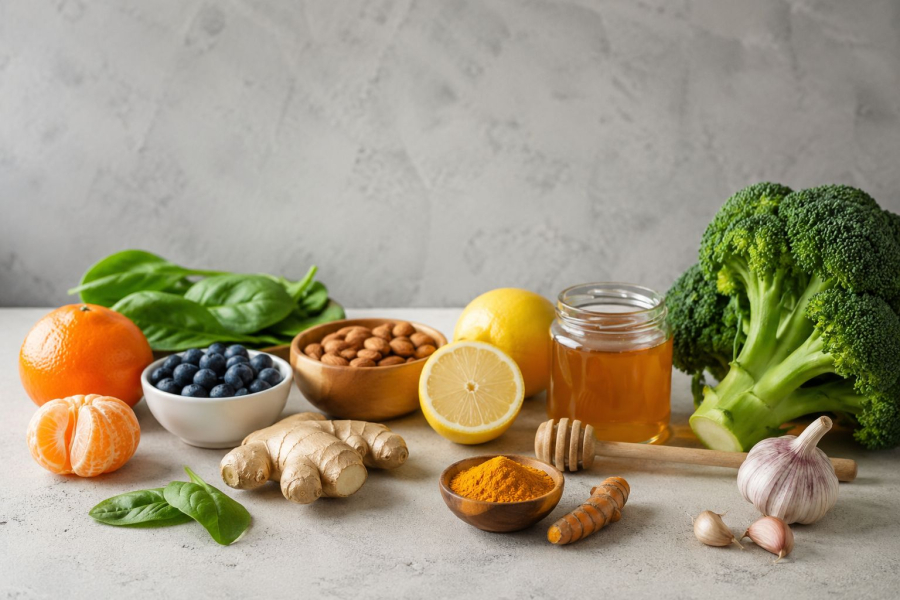
Late summer provides an abundance of fresh produce that can help replenish nutritional reserves before colder weather arrives. Colorful fruits and vegetables contain compounds that support normal immune function while also contributing to better energy levels and overall wellness.
Foods to Include in Your Diet
- Berries;
- Bell peppers;
- Broccoli;
- Carrots;
- Pumpkin;
- Apples;
- Leafy greens;
- Nuts;
- Fish;
- Fermented dairy products;
Bright seasonal foods often provide a wide range of nutrients that work together naturally. Choosing a variety of colors throughout the week can help ensure a broader spectrum of beneficial compounds.
In addition to focusing on individual foods, it is important to maintain consistency. Skipping meals, relying heavily on processed snacks, or following restrictive diets can place unnecessary stress on the body. Balanced meals that include protein, healthy fats, and complex carbohydrates tend to provide more stable energy and better nutritional support.
Foods That Support Gut Health
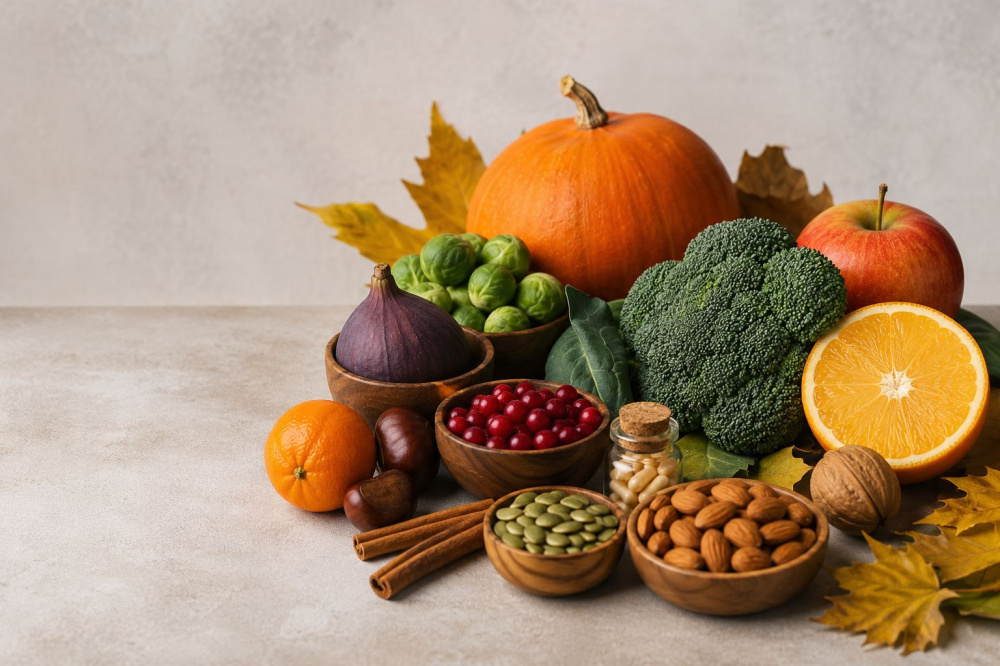
A significant portion of the immune system is connected to the digestive tract. Maintaining a healthy gut microbiome can therefore play an important role in supporting immune defenses.
- Natural yogurt;
- Kefir;
- Ryazhenka;
- Fermented vegetables;
- Fiber-rich fruits and vegetables;
Hydration should not be overlooked either. Many people drink less water as summer ends, but adequate hydration remains essential for healthy bodily functions. Keeping a reusable water bottle nearby throughout the day can serve as a simple reminder to stay hydrated.
Sleep as the Foundation of Immunity
Many people search for complex strategies to improve their health while overlooking one of the most powerful tools available to them: quality sleep.
During sleep, the body performs countless restorative processes. Hormonal balance, tissue repair, and immune regulation all depend on sufficient rest. When sleep becomes inconsistent or inadequate, the body's ability to respond effectively to external challenges may decline.
Ways to Improve Sleep Quality
- Go to bed at the same time each night;
- Avoid screens before bedtime;
- Ventilate the bedroom regularly;
- Avoid heavy meals late in the evening;
- Limit caffeine intake after midday;
Sometimes an extra hour of quality sleep provides more benefits than an entire cabinet full of supplements.
Creating a calming evening routine can make a noticeable difference. Dim lighting, reading a book, taking a warm shower, or listening to relaxing music may help signal to the body that it is time to rest. Consistency is especially important because the body thrives on predictable rhythms.
People who prioritize sleep often report better concentration, improved mood, and greater resilience during seasonal transitions. These improvements can indirectly support immune health by reducing the physiological burden associated with chronic fatigue.
Physical Activity Before Autumn
Regular movement supports circulation, metabolism, and overall physical resilience. Fortunately, strengthening the body does not require extreme exercise routines or expensive gym memberships.
The final weeks of summer offer ideal conditions for outdoor activity. Pleasant temperatures and longer daylight hours make it easier to establish habits that can continue into autumn.
Beneficial Forms of Exercise
- Walking;
- Cycling;
- Swimming;
- Light jogging;
- Morning stretching;
- Dancing;
- Yoga;
Even moderate activity performed consistently can improve overall well-being. Daily movement encourages healthy circulation and helps the body adapt more effectively to seasonal changes.
Recommended Daily Activity
| Activity | Recommended Time |
|---|---|
| Walking | 30-60 minutes |
| Stretching | 10-20 minutes |
| Cycling | 30 minutes |
| Swimming | 30-45 minutes |
| Light jogging | 20-40 minutes |
One effective approach is to combine movement with enjoyable activities. Walking through a local park, exploring new neighborhoods, or exercising with friends can make physical activity feel less like a task and more like a rewarding part of everyday life.
Vitamins and Minerals for the Autumn Season
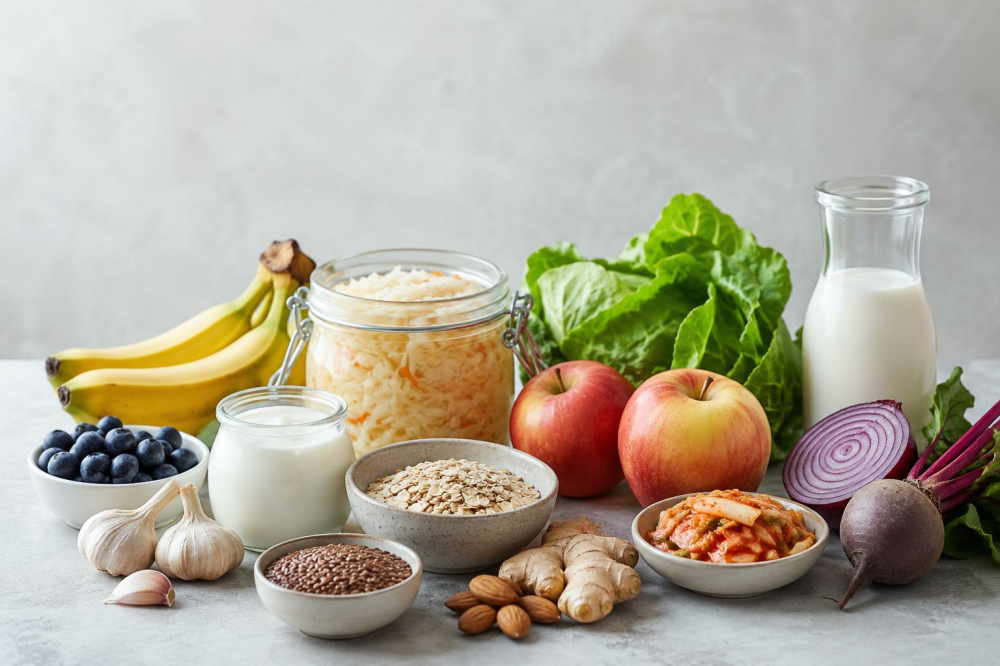
As autumn approaches, interest in vitamins and supplements often increases. While nutrients such as vitamin D, vitamin C, zinc, magnesium, and omega-3 fatty acids are frequently discussed, it is important to remember that supplements should complement a healthy lifestyle rather than replace it.
Whole foods remain the preferred source of nutrients whenever possible because they provide additional compounds that support overall health.
Nutrients Worth Paying Attention To
- Vitamin D;
- Zinc;
- Magnesium;
- Omega-3 fatty acids;
- Vitamin C;
- Selenium;
Many people assume they need supplements without first evaluating their diet or lifestyle. In some cases, improving food choices, spending more time outdoors, and getting adequate sleep may address issues that are mistakenly attributed solely to nutrient deficiencies.
Preparing your body before autumn is easier than trying to rebuild your health after becoming sick.
Periodic medical checkups can also provide valuable information about nutritional status and help guide more personalized decisions.
Gradual Adaptation to Cooler Weather
Adaptation to changing temperatures can help the body become more resilient throughout the autumn months. The key principle is gradual exposure rather than sudden extremes.
Many people mistakenly believe that strengthening the body requires uncomfortable or intense methods. In reality, small daily adjustments are often far more effective and sustainable.
Gentle Adaptation Practices
- Wash your face with cool water;
- Air out indoor spaces regularly;
- Spend time outdoors in different weather conditions;
- Take contrast showers;
- Sleep in a comfortably cool room;
The goal is not to create stress for the body but to encourage gradual adaptation. Over time, these practices may improve comfort during temperature fluctuations and make seasonal transitions feel less dramatic.
Managing Stress for Better Immune Health
Emotional well-being plays a major role in physical health. Long-term stress can influence sleep quality, eating habits, and energy levels, all of which may affect immune function.
Modern life often encourages constant stimulation. Notifications, deadlines, and information overload can make it difficult to truly relax. Creating intentional moments of calm can therefore become an important part of maintaining overall health.
Simple Ways to Reduce Stress
- Reading books;
- Spending time in nature;
- Listening to music;
- Connecting with loved ones;
- Enjoying hobbies;
- Meditation;
- Creative activities;
Even small changes can have a significant impact. Taking short breaks during the day, reducing unnecessary screen time, and setting healthy boundaries may contribute to a greater sense of balance and well-being.
People frequently underestimate how much emotional exhaustion affects the body. A calmer mind often supports healthier choices in other areas of life as well.
Preparing Your Immune System Without Extremes
Every year new trends promise rapid immune support, but there is no single shortcut to lasting health. Strong immunity develops through consistent habits practiced over time.
Nutrition, sleep, physical activity, stress management, and gradual seasonal adaptation all work together to create a solid foundation. None of these elements are particularly complicated, yet their combined effect can be remarkably powerful.
As autumn approaches, focus on building routines that feel realistic and sustainable. Small improvements maintained over weeks and months often lead to greater benefits than temporary bursts of motivation.
The changing season can be an opportunity rather than a challenge. By taking simple steps now, you can enter autumn feeling energized, balanced, and prepared for everything the season has to offer.